

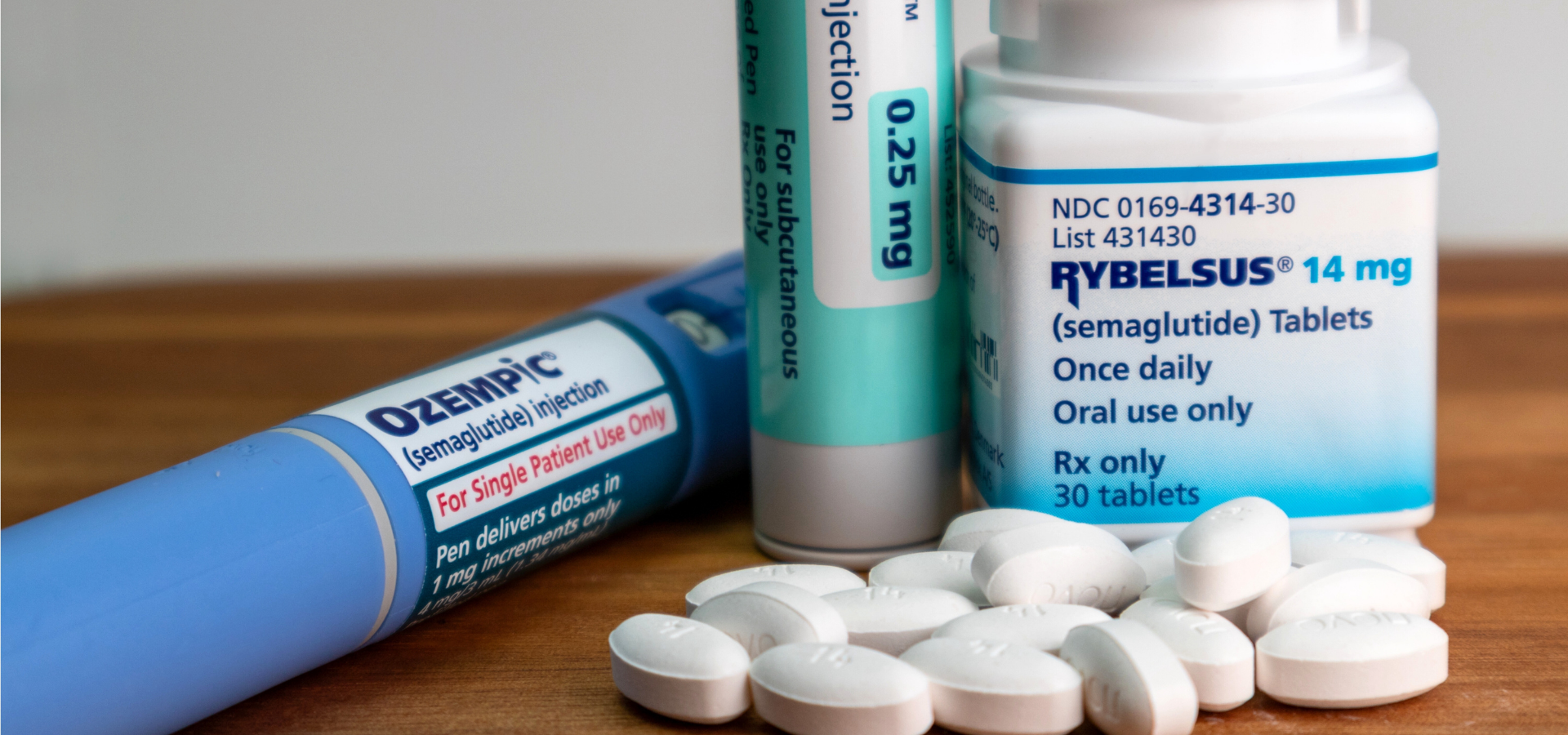
In recent years, GLP-1 receptor agonists (GLP-1 RAs) such as Ozempic®, Wegovy®, and Saxenda® have gained attention for their role in managing type 2 diabetes and obesity. They were originally designed to be used as an adjunct to dietary and lifestyle changes and only used under the supervision of a clinician, typically indicated for individuals with a BMI of 30 kg/m² or higher, or a BMI of 27 kg/m² or higher with at least one weight-related comorbidity, when lifestyle interventions alone have not been sufficient.
These medications have shown promise in controlling blood sugar levels, promoting weight loss, and even offering cardiovascular benefits. However, like all medications, they come with potential risks and side effects. This article explores what GLP-1 medications do, who can benefit from them, and their effects on gut health and what that means for people struggling with food sensitivities or digestive discomfort.
What are GLP-1 medications?
GLP-1 (glucagon-like peptide-1) receptor agonists are a class of medications that mimic the function of the natural GLP-1 hormone. This hormone is released in the gut in response to food intake and plays a key role in glucose metabolism. GLP-1 medications work by:
- Stimulating insulin secretion in response to high blood sugar levels
- Suppressing the release of glucagon, which prevents excessive glucose release by the liver
- Slowing gastric emptying, which promotes satiety and reduces appetite
- Affecting the brain’s hunger centres, leading to decreased food intake
These combined actions make GLP-1 medications highly effective in blood sugar control and weight management.
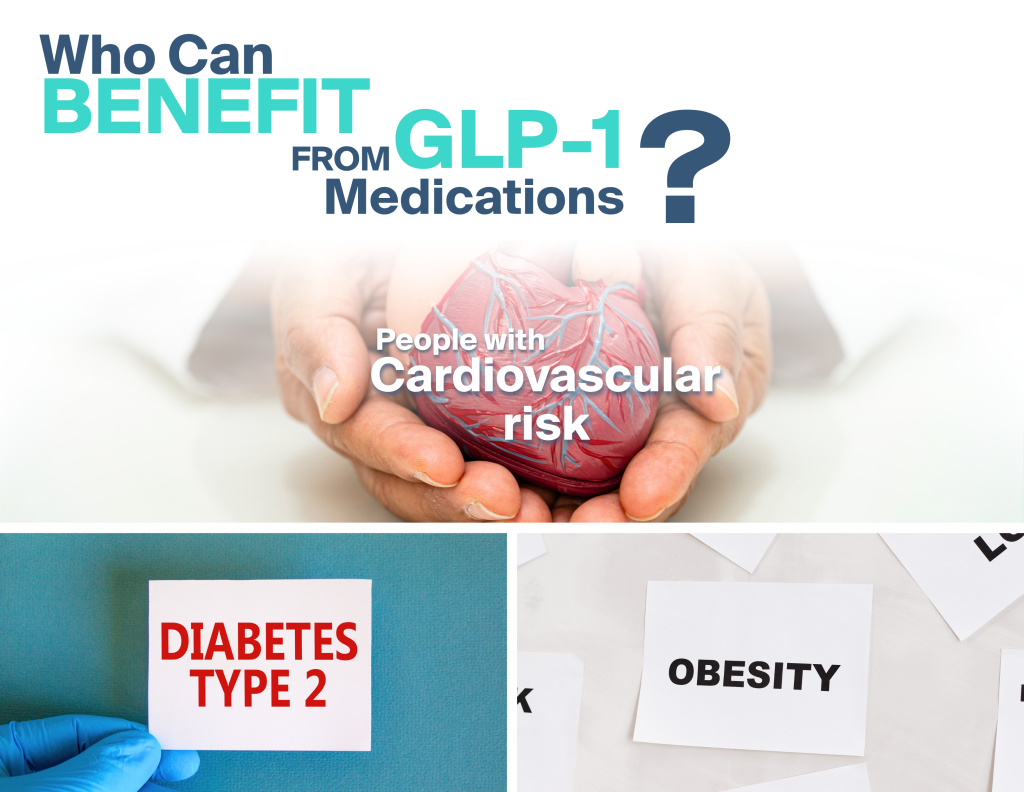
Who can benefit from GLP-1 medications?
GLP-1 receptor agonists are primarily prescribed for:
- Individuals with type 2 diabetes: these drugs help manage blood sugar levels and reduce the risk of diabetes-related complications.
- People struggling with obesity: many GLP-1 medications, such as semaglutide (Wegovy) and liraglutide (Saxenda), are approved for weight management in individuals with a body mass index (BMI) of 30 or higher (or 27 with obesity-related conditions).
- Patients with cardiovascular risk: some GLP-1 drugs have been shown to reduce the risk of heart attack and stroke in people with diabetes or existing cardiovascular disease
Contraindications: who should avoid GLP-1 medications?
GLP-1 receptor agonists are not suitable for everyone. Contraindications include:
- A personal or family history of medullary thyroid cancer or multiple endocrine neoplasia syndrome type 2 (MEN2)
- A history of diabetic ketoacidosis
- Kidney or liver disease
- A history of severe gastrointestinal disease, such as gastroparesis
- A history of pancreatitis
- Pregnancy and breastfeeding (due to insufficient safety data)
Before starting a GLP-1 medication, it is crucial to consult a healthcare provider to evaluate potential risks.
Potential side effects

While GLP-1 medications are effective, they can cause side effects. Common ones include:
- Gastrointestinal issues: nausea, vomiting, diarrhoea, and constipation are frequent complaints, especially during dose escalation.
- Loss of appetite: some users experience extreme appetite suppression, which can lead to inadequate nutrient intake.
- Hypoglycemia: when combined with other diabetes medications (like insulin or sulfonylureas), GLP-1 RAs can cause dangerously low blood sugar levels.
- Gallbladder problems: some individuals may develop gallstones due to rapid weight loss.
- Pancreatitis risk: although rare, there have been reports of acute pancreatitis associated with these medications.
How do GLP-1 medications affect gut health?

GLP-1 drugs directly impact the digestive system, particularly by slowing gastric emptying. This can be beneficial for blood sugar control and weight loss, but it may also lead to discomfort in some users. Effects on gut health include:
- Altered gut motility: delayed stomach emptying can cause bloating and nausea but may improve over time as the body adjusts.
- Changes in gut microbiota: emerging research suggests that GLP-1 drugs may influence the composition of gut bacteria, potentially leading to improved metabolic health.
- Reduced gut inflammation: some studies indicate that GLP-1 medications might have anti-inflammatory effects in the gut, which could benefit individuals with conditions like non-alcoholic fatty liver disease (NAFLD).
If you're already prone to digestive issues or suspect a food intolerance, these gut changes could make symptoms worse or more noticeable.
Food sensitivities and GLP-1: what's the link?
GLP-1 medications don’t directly cause food sensitivities, but how they slow digestion can amplify your reaction to certain foods. If bloating, cramps, or discomfort worsen after starting GLP-1 treatment, it may be due to an underlying food intolerance.
A food sensitivity test can help identify triggers and allow you to personalise your diet during treatment. At CNSLab, we offer advanced blood-based testing to detect IgG antibody reactions to over 200 foods, providing insight into what might be exacerbating symptoms.
Diagnostics tests from CNSLab
Ready to get a food sensitivity test?
Browse our FoodPrint® home to lab test kits to find the most suitable option.
Concerns about over-the-counter availability
There’s growing debate about making GLP-1 drugs available without a prescription. While these drugs can be life-changing for those with obesity-related health conditions, their misuse could harm individuals with eating disorders or body image issues.
Final thoughts: understanding the full picture
GLP-1 receptor agonists are effective medications for diabetes and weight management, offering significant benefits for those who need better blood sugar control or weight loss support.
However, they are not without risks. Understanding the potential side effects and how these drugs impact gut health is essential for making informed decisions about their use. If you are considering GLP-1 medications, consult a healthcare provider to determine if they are right for you.
These medications don’t solve the root causes of obesity or type 2 diabetes-problems tied to poverty, policy, and lifestyle factors. But they’re a powerful tool when used correctly, offering hope for better health outcomes while researchers work toward more effective, personalised treatments.