

Dehydration can drain your energy, strain your kidneys, and raise blood pressure. But staying hydrated isn’t just about drinking water - electrolyte chemicals present in foods, milk and your favourite cup of tea play an important role too.
In this article we'll dive into why hydration is crucial and the best drinks to keep you feeling your best.
The impact of dehydration on the body
How dehydration affects kidney function
Proper hydration helps the kidneys remove waste and toxins from the blood. When the body lacks enough water, the kidneys must work harder, which can lead to problems like kidney stones, urinary tract infections, or long-term damage - especially in those who are genetically prone to kidney issues.
The link between hydration and blood pressure
Long-term dehydration may also increase blood pressure due to increased sodium levels, which is linked to kidney disease. The body carefully regulates water levels using a chemical called vasopressin (or antidiuretic hormone, ADH). When water levels drop, ADH signals the kidneys to hold onto water, reducing urine output. However, ADH also causes blood vessels to tighten, which can raise blood pressure.
Additionally, dehydration increases sodium levels in the blood, making it thicker and harder to circulate. Losing just 1% of body weight in water can affect body temperature and brain function.
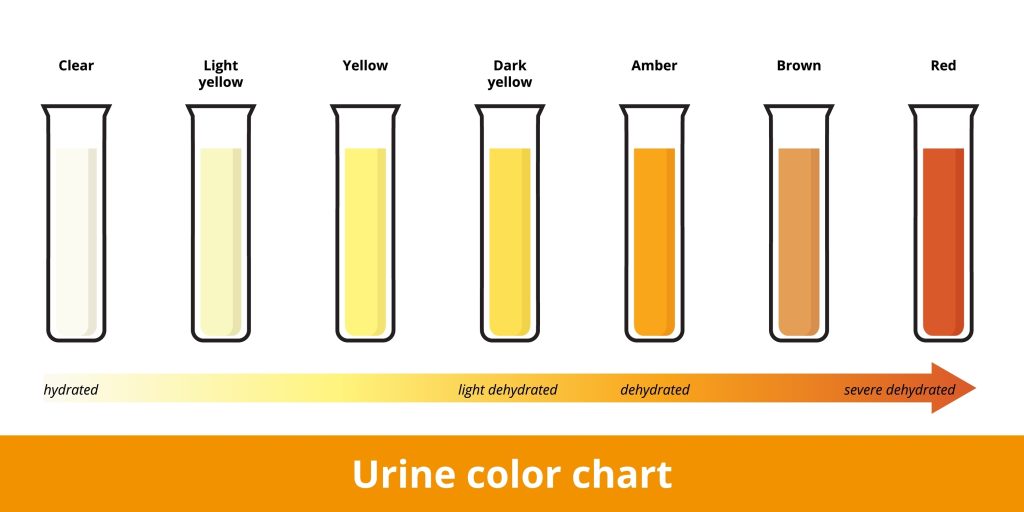
Since thirst signals are not always reliable, the best way to check hydration is by observing urine color. Light straw-colored urine at some point in the day is a good sign of adequate hydration.
Electrolyte balance: why it’s essential
Dehydration disrupts the body's balance of electrolytes, which are essential minerals like sodium, potassium, and magnesium. These minerals carry an electric charge when dissolved in body fluids such as blood, urine, and tissues. They play a crucial role in:
- Regulating water levels in the body
- Maintaining a healthy pH balance
- Transporting nutrients into cells and removing waste
- Supporting muscle and nerve function
- Keeping the heart rate and rhythm steady
- Stabilising blood pressure
- Maintaining strong bones and teeth
Health organisations, such as the European Food Safety Authority recommend a daily fluid intake of about 2,000 ml for women and 2,500 ml for men. These guidelines aim to encourage proper hydration and help prevent chronic dehydration. While there is ongoing debate about the exact amount of additional fluids needed, these recommendations serve as a useful baseline.
Water is crucial for staying hydrated, but during intense exercise, heavy sweating, or illness recovery, it may not be enough to replenish lost electrolytes. A simple homemade electrolyte drink can be made by adding a small amount of glucose (to match blood glucose levels of around 6.5%) and a pinch of salt to water. Store-bought electrolyte drinks often contain too much sugar, so it's best to choose one with 4-8% carbohydrates per 100ml, ideally with 4g of sugar.
Best drinks for hydration
Staying hydrated is essential, and making your own electrolyte drinks can be an easy and cost-effective way to support hydration. A simple base recipe involves mixing one part of your favourite juice with two parts water and adding a pinch of salt. Here are a couple of refreshing variations:
Zesty pineapple electrolyte drink
- 2 cups water
- 1 cup pineapple juice
- 1 tablespoon fresh lime juice
- Pinch of salt
Mix all ingredients in a large bottle and shake well.
Mint and grape electrolyte drink
- 2 cups brewed mint tea (cooled)
- 1 cup 100% grape juice
- 1 tablespoon fresh lemon juice
- Pinch of salt
Combine all ingredients in a large bottle and shake well.
Coconut water is another natural alternative to sports drinks. While it has high potassium levels, it contains less sodium—the main electrolyte lost through sweat—so adding a pinch of salt can help balance it.
Milk makes sense for rehydration
Studies have found both plain and chocolate milk are effective for restoring fluid balance after exercise. For example, in one randomised controlled trial, healthy young adults remained in net positive fluid balance throughout the recovery period after drinking plain milk; but returned to net negative fluid balance one hour after drinking a sports drink and water.
Urine output was less after drinking milk compared to the sports drink and water. A review focused on chocolate milk also suggests that it is superior to sports drinks due to lower urine output during recovery.
Can a cup of tea be the perfect hydration drink?
Tea with milk and sugar has long been a comforting and hydrating beverage. It contains essential electrolytes like sodium, potassium, and magnesium, along with minerals such as zinc, iodine, and phosphorus. Even the legendary runner Roger Bannister reportedly enjoyed a cup of tea before his record-breaking 4-minute mile in 1954.
A teaspoon of sugar (5g) provides about 2.5g of glucose, which may help with energy levels. Additionally, research suggests that the temperature of a drink can influence how quickly it is absorbed into the bloodstream, meaning a warm cup of tea could be an effective hydration option.
Simple hydration tips for everyday life
When to hydrate
Water absorption in the body reaches its peak within 20 to 60 minutes after drinking, so it’s best to hydrate early in the day and at least an hour before exercise.
Six simple hydration tTips
- Start your day with water – drink water first thing in the morning and at least an hour before exercise. Thirst signals may appear too late to prevent dehydration.
- Plan ahead – water is sufficient after light activity, but electrolyte drinks may help during intense exercise or when energy dips in the afternoon.
- Eat water-rich foods – fruits and vegetables like watermelon and cucumber help with hydration.
- Make your own electrolyte drink – a simple juice, water, and salt mix can be an easy alternative to store-bought sports drinks.
- Keep water easily accessible – place water bottles or glasses in key locations, such as by your bed, desk, or in the car, as a reminder to drink.
- Pair water with a hydrating snack – a handful of mixed salted nuts or a homemade smoothie (like celery, apple, and lemon or banana, almond milk, and kale) can complement hydration.
Hydration and brain function
Whether you're an athlete or just going about daily life, dehydration can affect brain function, especially short-term memory and attention. This makes proper hydration critical for work, learning, and overall well-being. The elderly and young children are particularly at risk, so regular fluid intake is important for everyone.
Drink up and stay hydrated!
Start by drinking enough water, recognising the signs of dehydration, and choosing the best drinks to keep your body balanced. Try homemade electrolyte drinks, enjoy hydrating foods, and make hydration a daily habit.
Ready to take control of your hydration? Grab a glass of water now, and start fueling your body the right way - your health will thank you!