
Introduction
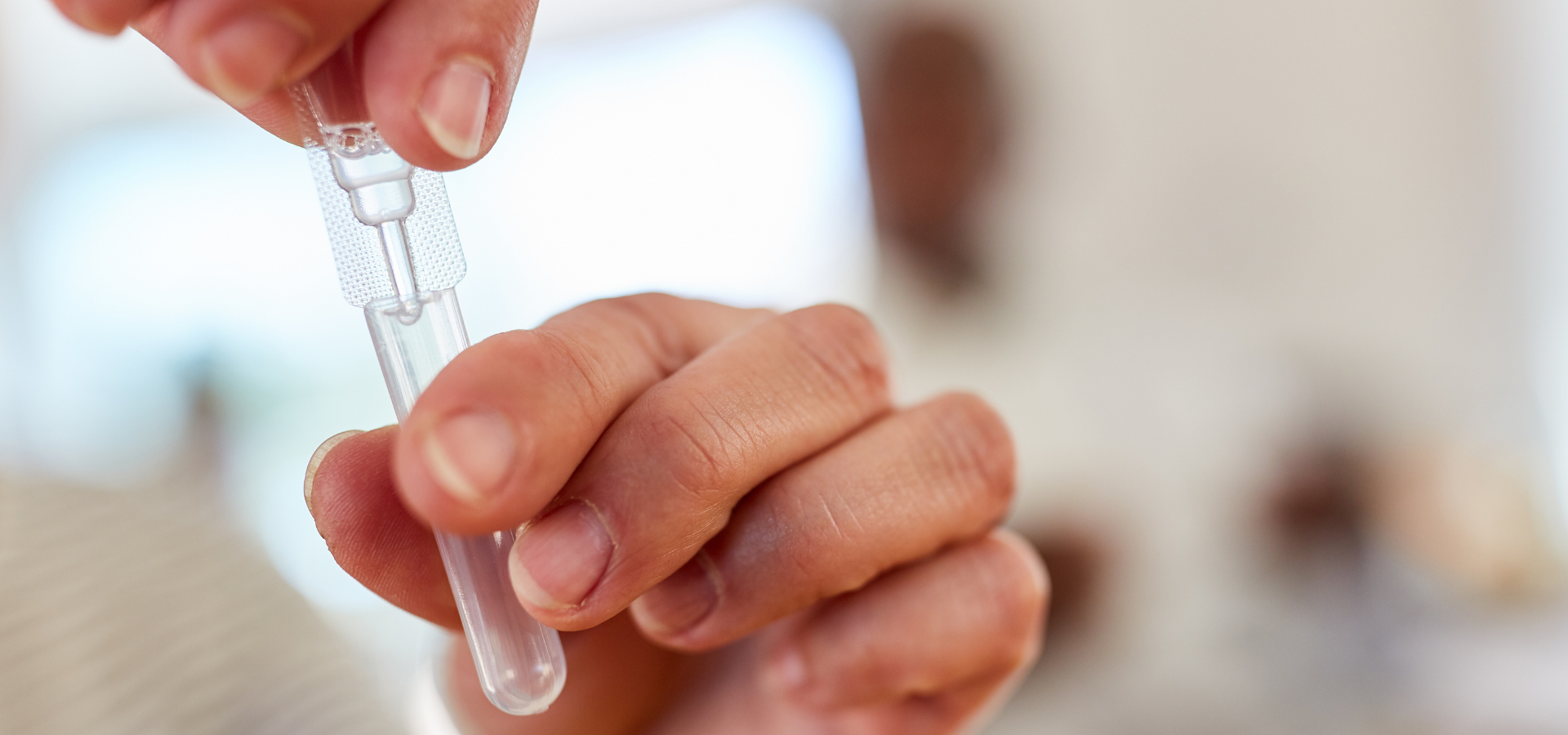
Great news recently emerged from researchers at the University of Sheffield: a new at-home saliva test has been unveiled, offering a simpler and quicker way to diagnose adrenal insufficiency in high-risk patients. This test works by detecting cortisol at its peak, first thing in the morning, through a saliva sample instead of the traditional blood test. The prospect of replacing the adrenocorticotropin (ACTH) stimulation test, or short Synacthen test, which requires hospital attendance and blood draws, was understandably welcomed by patient groups.
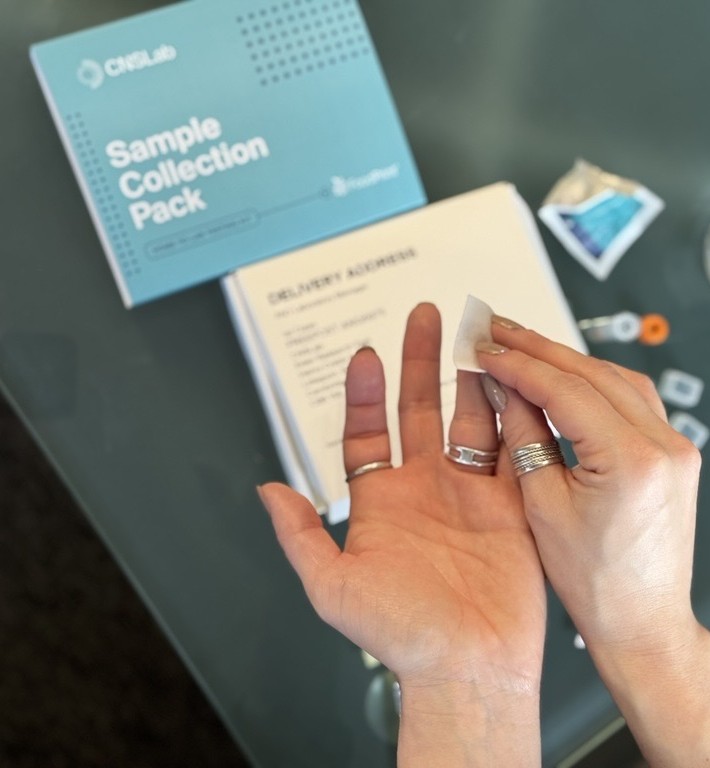
However, while this innovation is exciting, it’s important to recognise that saliva-based cortisol testing is not entirely new. In the field of functional medicine, at-home tests for measuring salivary cortisol have been available for years. In fact, our own UK laboratory, CNSLab, has offered an advanced version of such tests for quite some time.
The importance of multiple sampling points
One major limitation of the new test is its reliance on a single cortisol measurement taken shortly after waking. Cortisol levels typically surge upon waking—a phenomenon known as the Cortisol Awakening Response (CAR). Over years of testing, we've learned that accurately detecting this peak surge requires multiple sampling points. In our approach, we use three morning time points following awakening, ensuring a more reliable and precise understanding of the cortisol peak. Relying on a single measurement often underestimates this surge, potentially leading to misinterpretation and inaccurate diagnoses.
Measuring cortisol throughout the day
In addition to capturing the morning cortisol peak, it's crucial to measure cortisol levels throughout the day. For example, elevated cortisol before sleep is now a preferred screening method for Cushing’s disease, a condition where the body produces excessive cortisol. These measurements help clinicians diagnose extreme adrenal function issues.
The role of the HPA Axis and DHEA
Cortisol levels are regulated by the Hypothalamus-Pituitary-Adrenal (HPA) axis, which can become dysregulated due to long-term stress. This dysfunction can lead to reduced cortisol production, mimicking symptoms of primary adrenal insufficiency. To effectively assess HPA axis dysfunction, it’s important to also measure DHEA (Dehydroepiandrosterone) levels, both in the morning and afternoon. While cortisol is catabolic, DHEA is anabolic, and the balance between the two is critical for maintaining overall health. Research shows that the Cortisol ratio is a valuable marker for identifying stress-induced dysfunction.
Conclusion
While the new saliva test for adrenal insufficiency offers a promising and more convenient alternative to traditional testing, it’s important to understand that single cortisol measurements may not provide a complete picture, and testing multiple times throughout the day, along with DHEA assessment, is essential for understanding adrenal function and potential stress-related disorders.