

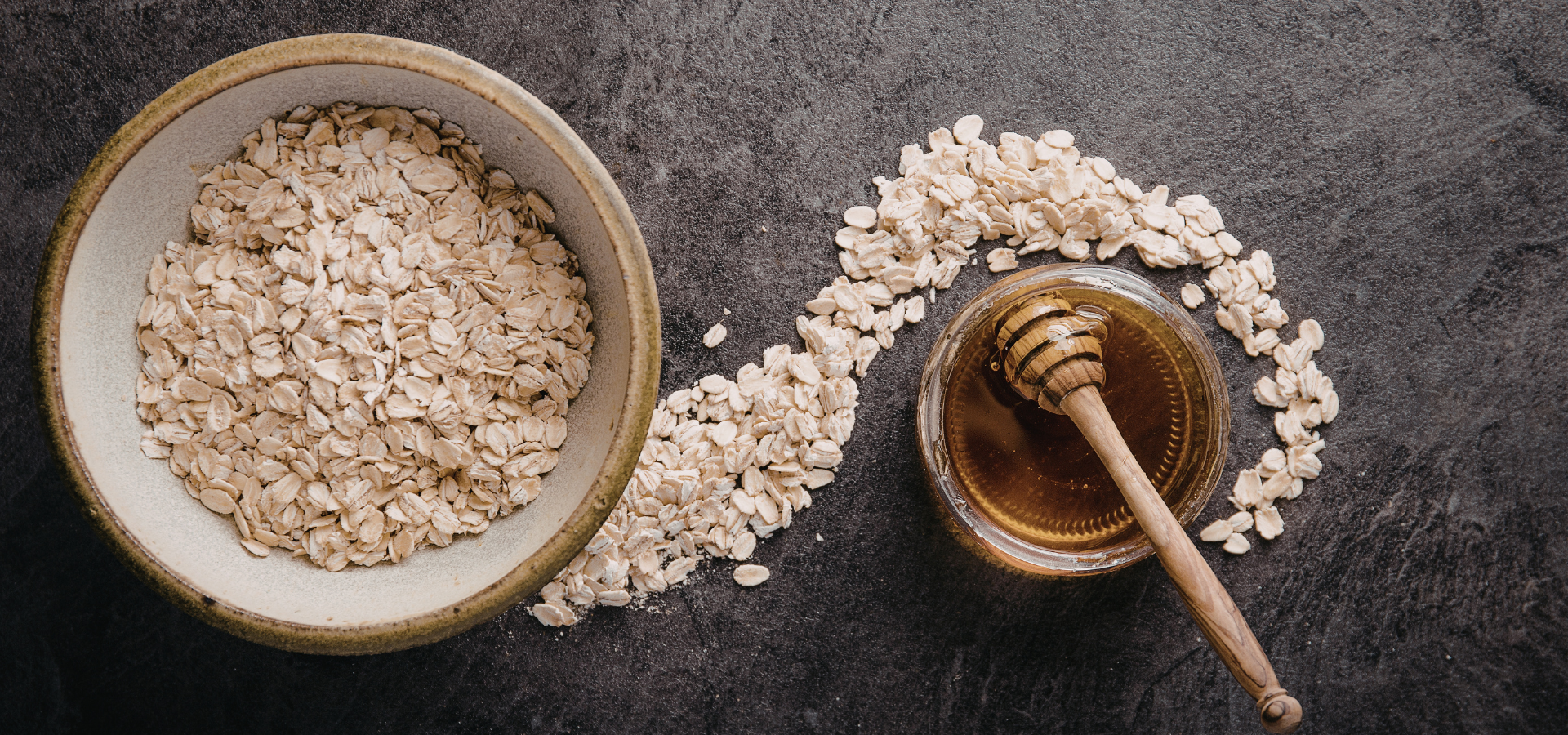
As nutritionists and naturopaths, you already appreciate the nutritional powerhouse that oats represent. Globally, oats rank as the fifth most consumed crop and stand out as one of the healthiest grains available. Their impressive nutrient profile includes high levels of phytochemicals, dietary fibres, and proteins, making them a staple in many diets.
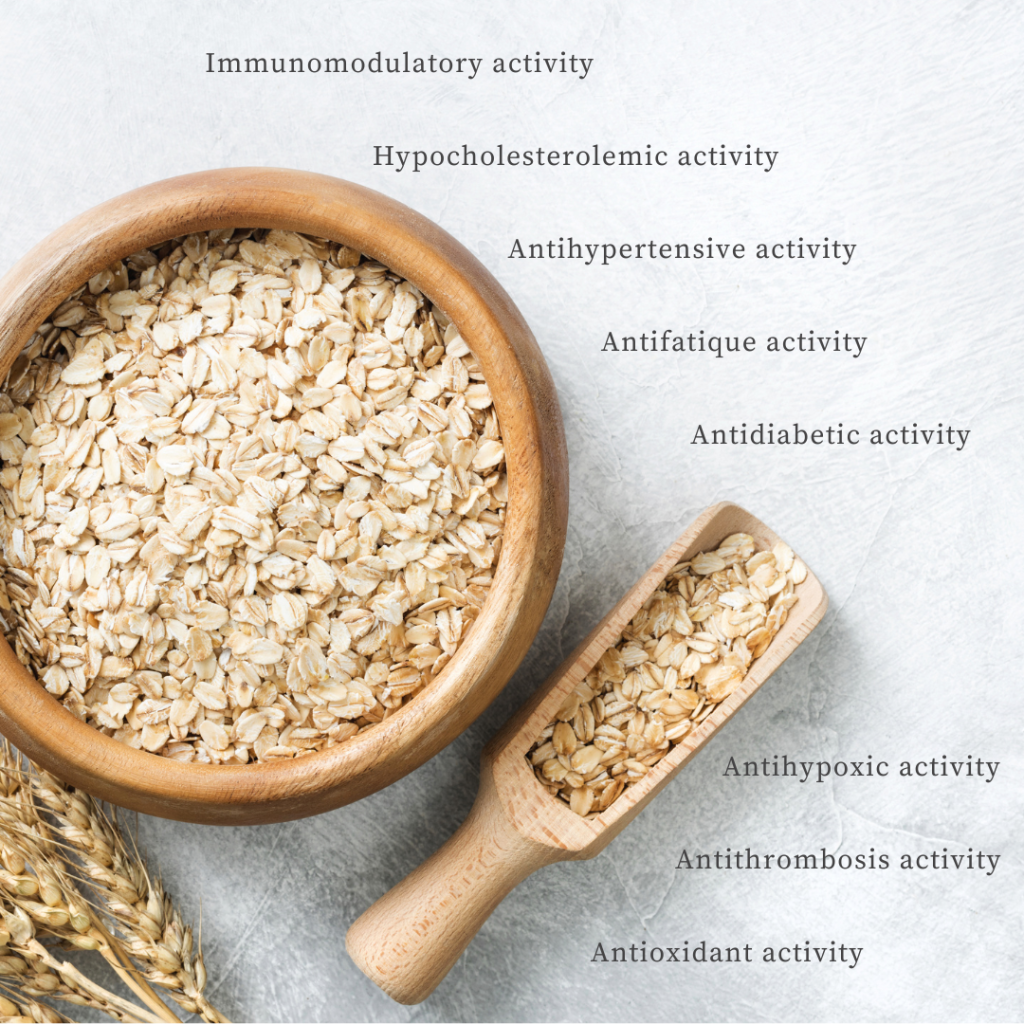
Nutritional powerhouse
Oats are primarily categorised into two types: naked oats (Avena nuda L.) and hulled oats (Avena sativa L.). This distinction significantly influences their nutrient composition, with oat grain containing 5-10% lipids, 3-14% fibre, and 69-76% carbohydrates. The real nutraceutical interest lies in the bioactive compounds found in oats, such as beta-glucans, phenolics, avenanthramides, and flavonoids, which contribute to their health benefits.
One of the standout features of oats is their protein content, which ranges from 12-20%, surpassing that of rice (7-10%), wheat (11-15%), and millet (7-11%). Furthermore, oat protein is rich in essential amino acids like lysine, valine, isoleucine, threonine, histidine, and methionine, providing a more complete protein profile compared to other grains.
The confusion over gluten
The question of whether oats are gluten-free is complex. While oats themselves do not contain gluten, they are often processed in facilities that handle gluten-containing grains like wheat, barley, and rye, leading to potential cross-contamination. This is particularly relevant for individuals with coeliac disease, where even trace amounts of gluten can pose significant health risks.
The legislation
In light of new allergen labelling laws, such as those prompted by Natasha’s Law, oats are often classified under gluten-containing cereals to account for possible cross-contamination. This means that products containing oats must adhere to strict labelling requirements to ensure consumer safety. For a product to be labelled as "gluten-free," it must contain 20 parts per million (ppm) or less of gluten, a standard set by the Codex Alimentarius and adopted by the European Commission.
“Very-low gluten" should contain no more than 100 mg/kg gluten. Foods above these limits are considered to contain gluten.
Cross-reactions
The issue of cross-reactivity adds another layer of complexity. Some studies have shown that individuals with wheat allergies may also react to oats and other cereals. For instance, prolamins (avenins) in oats have structural similarities to gluten proteins found in wheat, rye, and barley, potentially triggering allergic responses.
While oats are a nutritional superstar, they are also an allergen and may be contaminated with gluten during processing. For individuals with gluten sensitivities or coeliac disease, it is crucial to look for oats labelled as "gluten-free" to ensure they meet the necessary safety standards. Understanding the nuances of oat labelling and processing can help you better guide your clients in making informed dietary choices.
References available on demand.
Diagnostics tests from CNSLab
Ready to get a food sensitivity test?
Browse our FoodPrint® home to lab test kits to find the most suitable option.