
Sustainable nutrition is becoming increasingly important as we face challenges like climate change, rising food insecurity, and health issues linked to poor diets. Are you wondering how to eat healthier while also making a positive impact on the environment?
Let's explore practical ways to adopt a sustainable diet that’s not only nutrient-rich but also affordable and eco-friendly for a more healthily planet and future.
What is a sustainable diet?
A sustainable diet can be defined in the following three ways:
- One that is healthy, safe, and nutritionally diverse.
- One that is environmentally responsible, with low or positive ecological impacts.
- One that is accessible, affordable, and culturally inclusive
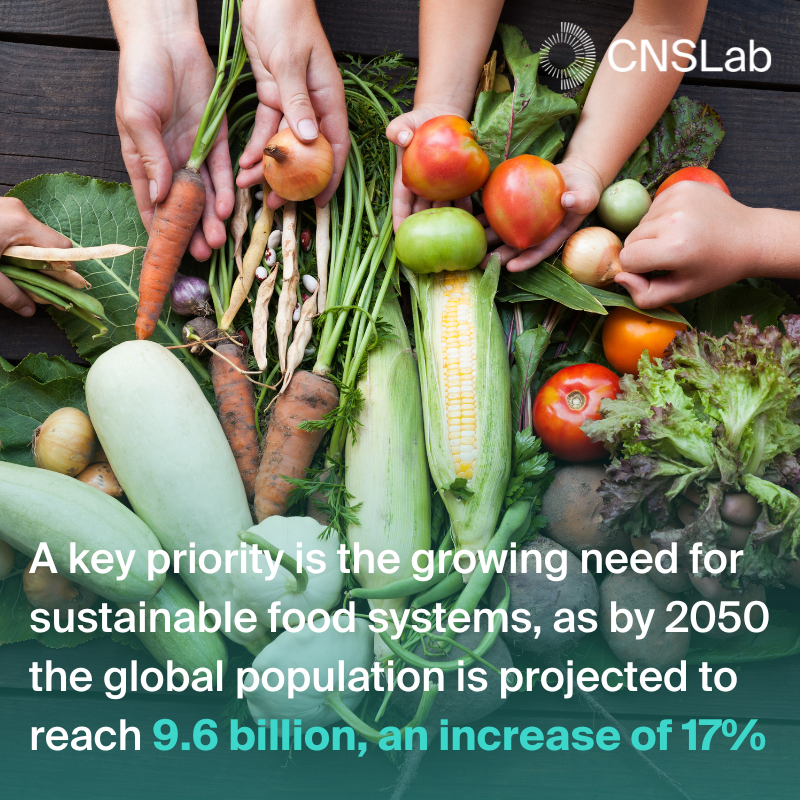
According to the United Nations World Population Report, without transformative changes to our food production systems, we would require the resources of three planet Earths to feed the world.
Affordable, nutrient-dense foods are key
Access to affordable, nutrient-rich foods is not only a key element of sustainability, but also as a powerful tool in the fight against malnutrition and chronic illnesses such as diabetes, heart disease, and obesity—conditions which are linked to unhealthy diets.
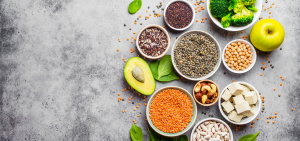
Foods like whole grains, eggs, dairy, fruits, and vegetables pack a nutritional punch, offering essential vitamins and minerals that support overall health. Among these, pulses such as beans, lentils and chickpeas stand out as a budget-friendly powerhouses, delivering a perfect blend of fibre, protein, and vital nutrients while being incredibly versatile and satisfying.
Dietary diversity can support food system resilience whilst optimising nutritional intake
75% of the world's food comes from just 12 plants and 5 animal species. This over-reliance on a narrow range of food sources leaves us vulnerable to disruptions caused by war, climate disasters, or other crises. By diversifying our diets and embracing a wider variety of foods, we can create stronger, more resilient food systems. At the same time, it’s important to meet the cultural and dietary preferences of communities, ensuring that these solutions respect traditions while promoting sustainability and global food security.
Food waste and upcycling
Food waste is a major contributing factor to the problem as 30% of food produced globally is wasted daily, rising to 50% in the US. Reversing food loss and waste trends would potentially preserve enough food to feed 2 billion people: more than twice the number of undernourished people across the globe. Further, if food waste were a country, it would rank as the third-largest emitter of greenhouse gases after the US and China.
So successfully addressing waste could not only reduce hunger but also significantly lower environmental impacts through greenhouse gas reduction, and potentially relieve the global purse.
We can contribute as individuals by eating everything we buy or grow, and by freezing, bottling and preserving (drying, salting, canning and fermenting) any excess. Upcycling recipes are one of the projected new food trends for 2025. Who knew that you could make banana skin bacon? Not just tasty but a superb prebiotic food to feed our gut bacteria.
Banana skin bacon recipe
- 2 (or more) ripe, brown banana skins
- ½ tsp smoked paprika
- 2 tsp maple syrup
- 1 tsp tamari
- 1 tsp water
- Black pepper
Oil of choice for frying (for example coconut oil with its lauric acid content which feeds healthy gut microbes and has a high smoking point).
Cooking method
- Remove and compost the hard stalks from the top of the banana skins. Scrape away and mash into your porridge or add to a breakfast smoothie. For every two skins, mix up a marinade of one measure each of the smoked paprika, maple syrup, tamari and water. Season generously with freshly ground black pepper. Add the prepared skins, toss to coat. Leave to marinate for at least four hours, preferably overnight. Turn occasionally.
- Fry the drained banana skins in a hot, lightly oiled frying pan for three minutes on each side, until blistered and deep golden brown.
Upcycling is a familiar concept in relation to clothes and household goods. ‘Upcycling’ in relation to food is the relatively recent term for the age-old concept of using low-valued foods or food processing byproducts to generate new food products. Traditional examples include sausages made from meat scraps, and jams or jellies made from overripe fruit. Historically, food waste products would also have been used as animal feed or composted.
The Upcycled Food Association defines upcycled foods as those that “use ingredients that otherwise would not have gone to human consumption, are procured and produced using verifiable supply chains, and have a positive impact on the environment.” An official definition may allow manufacturers to market to a target audience and encourage consumers and food processors to consider upcycled products.
The Association launched a new Upcycled Certification Standard in 2021. Soon enough, upcycled labels may begin to appear on shopping items. Food waste reduction will allow the planet’s resources to nourish more people.
Seeking industrial technical solutions: the baking industry
Industrial food processing will play an increasingly central role, particularly in relation to the crops rice, maize and wheat upon which 50% of the world relies as a primary energy/food source. Industrial efficiencies both in process and distribution will become key. Within the baking industry, bread and bakery as a category account for the largest volume of food lost/wasted globally.
In some European countries such as Poland, bread and bakery products account for more than 50% of total food wasted while one third of all bread produced in America is wasted.
Sustainable production and consumption require two main areas of focus:
- Technical solutions - to support sustainable production along all stages of the supply chain from manufacturing, distribution, and retail through to at-home storage. An example in the bakery industry, is the use of enzymes. Enzymes optimise several production processes including less water and energy usage; dough retard and refrigeration time reduction; and shorter production time overall. Enzymes include maltogenic amylase which delays bread staling by slowing starch recrystallization, and lipase enzymes which enhance dough handling and texture, reducing resource use and production time.
- Change of consumer behaviours towards responsible consumption - today’s consumers are driving the trend with their demands for fresh, better-tasting products with cleaner labels that also meet their expectations around health and sustainability.
Sustainable crops and genetically modified foods of the future
There are more than 50,000 edible plants in the world, but just 15 of them provide 90 percent of the world’s food energy intake. As mentioned, rice, corn (maize) and wheat make up two-thirds of this. Other food staples include millet and sorghum, tubers such as potatoes, cassava, yams and taro, and animal products such as meat, fish and dairy.
Foods for the future may include crops like sorghum and genetically modified rice both of which offer promising solutions:
- Biofortified sorghum varieties deliver higher levels of essential nutrients like vitamin A, zinc, and iron, addressing global micronutrient deficiencies.
- Genetically modified (GMO) rice improves yield, nutritional quality, and resilience against climate change. Such advancements are critical as rice remains a staple for over 3.5 billion people worldwide.
GMO crops make farming easier, however there is justifiable concern about their potential effect on the environment and their safety for human consumption, particularly surrounding illnesses and allergies. These issues will need to be carefully addressed as in some regions inclusion of GMO crops in the food chain will require a significant shift in regulatory as well as cultural acceptance. Currently no food labelled “100% organic” contains any GMO ingredients in the US because the law prohibits this. However, if a product is simply labelled “organic” it may contain some GMOs.
In the European Union (EU), foods with more than 0.9% GMO ingredients must be listed as “genetically modified” or “produced from genetically modified [name of food].” For foods without packaging, these words must be listed near the item, such as on the supermarket shelf.
Sustainable initiatives to look out for
Sustainable initiatives are plentiful, including RADIANT, a European project designed to enhance sustainable agriculture, food security, and agricultural diversity. They make for interesting and inspiring reading. Radiant has participation from 29 entities across 12 countries, including Portugal, Spain, Italy, and the UK. The project focuses on:
- Elevating the environmental, social, and nutritional value of lesser-known crops.
- Advancing underutilised crops.
- Testing sustainable agricultural practices to optimise production.
The burden of unhealthy diets on our sustainable future

Unhealthy diets are a direct consequence of modern food technological advances; processing foods enhances their digestibility and their access to instant energy. Energy not used in hunting, farming, food preparation and storage, can be expended on other pursuits. But the known impact of unhealthy diets underscores the urgency for global transformation of the food system as they pose a greater risk to morbidity and mortality than does unsafe sex, and alcohol, drug, and tobacco use combined.
The role of personal food growing
Personal food production is another strategy to enhance sustainability. Studies show that growing your own food:
- Supports economic resilience by reducing household expenses.
- Provides access to fresh, nutritious food.
- Improves overall well-being and happiness.
Educational initiatives, such as school food-growing programs, demonstrate the importance of equipping children with life skills related to sustainable food production. These programs foster healthy habits, teach responsibility, and build awareness of food systems.
The path forward
To achieve sustainable nutrition, food systems must balance environmental stewardship, economic efficiency, and social equity. By adopting innovative practices, minimising waste, and prioritising equitable access to nutritious food, we can create a sustainable future for generations to come on our one, valuable planet.
Fast forward to a time when potentially only 50 crops will be grown, each having both a nutritional and an upcycle use, food waste will be carefully monitored and each of us will be wearing portable technology, programmed to our unique genetic predisposition, advising us what and when to eat, how to prepare it with economic efficiency, and which t shirt or cosmetic product you can trace back to your personal food waste.
What practical actions can we take as individuals to support a sustainable world?
Here are a few ideas to action:
- Set up a neighbourly what’s app group to share ‘extra’ or ‘leftover’ food.
- Create breadcrumbs from unused bread and freeze
- Make vegetable stock weekly from all vegetable ends and peelings to use in soups and stews, etc…
- Ferment leftover vegetables in salt to preserve and use as a side dish at all meals
- Menu plan and shop twice rather than once per week