
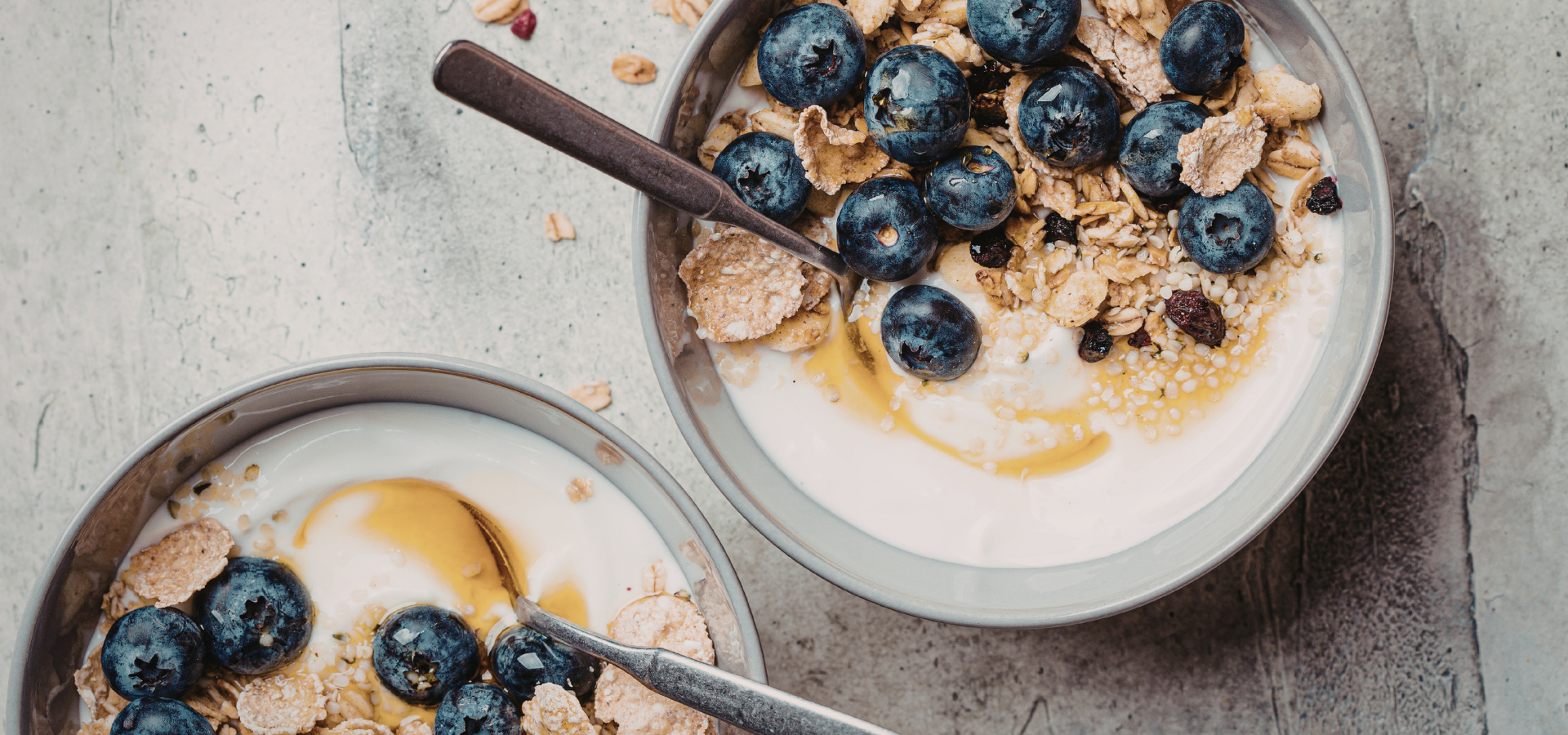
In its fight against obesity, the government has rolled out a sweeping advertising ban targeting foods categorised as high in fat, sugar, or salt (HFSS). While the intent is noble, the execution is far from perfect. Among the many items swept up in this net are yoghurt, porridge, and granola—foods that, when consumed in their low-processed forms, are pillars of a healthy diet. The inclusion of these items reflects an oversimplified approach to public health that could do more harm than good.
Yoghurt: a gut-friendly superfood
Plain yoghurt, especially natural or Greek varieties, is a nutritional powerhouse. Packed with protein, calcium, and probiotics, it supports bone health, immune function, and gut health. The problem lies in the flavoured, sugar-laden options on supermarket shelves, but the solution is not to demonise yoghurt altogether.
Encouraging consumers to choose plain yoghurt and customise it with fresh fruit, nuts, or a drizzle of honey strikes a balance between health and taste. A small amount of honey, while technically "sugar," pales in comparison to the added sugars found in many processed snacks. Alternatively, low fructose maple syrup is an excellent alternative with its lower glycaemic index rating. The net benefit of consuming plain yoghurt far outweighs the harm of a little natural sweetener.
Porridge: heart-healthy and versatile
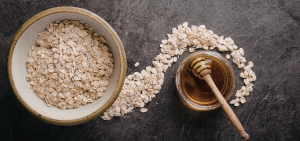
Oats, the primary ingredient in porridge, are celebrated for their fibre content, particularly beta-glucans, which lower cholesterol and improve heart health. Oats can also play a role in weight management through insulin regulation and appetite control. Packed with essential minerals they provide sustained energy and promote a healthy gut microbiome.
They are also an excellent choice for those avoiding gluten, though care must be taken to select oats labeled gluten-free to avoid cross-contamination with wheat during processing.
For the elderly or individuals with poor dentition, oats can be made more digestible through overnight soaking, which breaks down starches and reduces phytic acid levels. This not only makes oats easier to chew but also enhances their nutritional value by increasing mineral bioavailability.
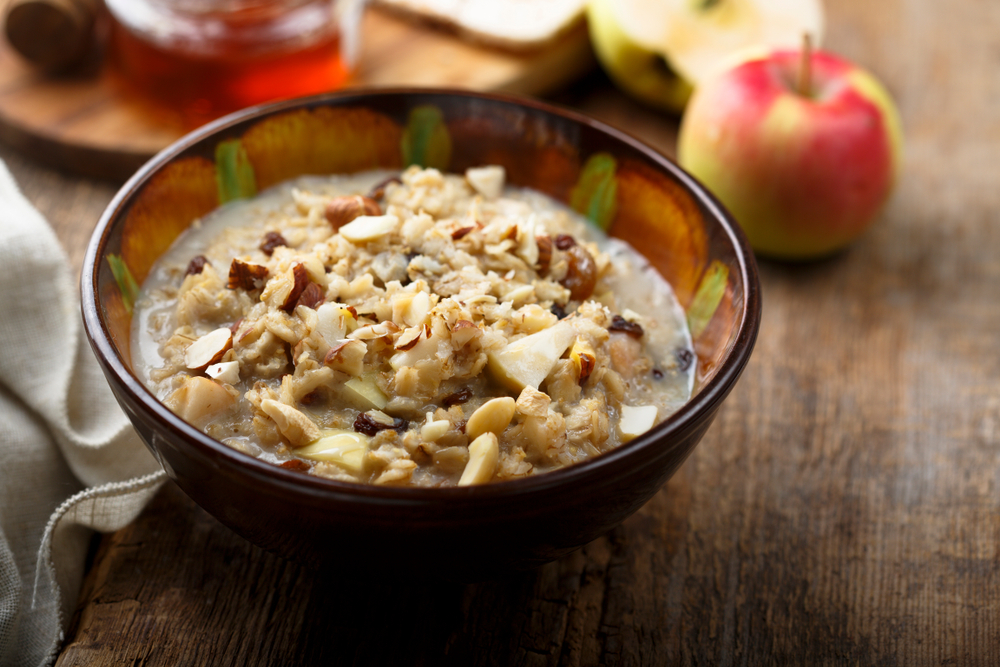
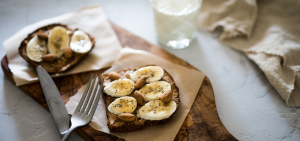
Adding a drizzle of honey, vanilla essence or some fruit to porridge makes it more appealing, especially for those transitioning from sugary breakfast cereals. Fruits are high in fibre, which slows down the release of glucose into the blood. Choose those particularly high in fibre such as berries or apples and pears, including their skins. This minor addition does not diminish its role as a nutrient-dense breakfast option.
Adding a sprinkle of cinnamon, ginger or cocoa which are rich in antioxidant compounds will boost health benefits further. Further, adding nuts or seeds will add fibre and protein and healthy fats all of which slow down the release of glucose resulting in a slow-release drip-drip of energy as opposed to a surge.
Instead of vilifying porridge for its occasional sweetness, we should champion it as a wholesome alternative to highly processed foods.
Homemade granola: the misunderstood breakfast option
Homemade granola is another casualty of the HFSS advertising ban. When prepared thoughtfully, granola is a balanced mix of oats, nuts, seeds, and dried fruit—a combination that delivers fibre, healthy fats, and protein. It is designed to be sprinkled over yogurt and fruit and not eaten by the bowl.
Yes, a touch of honey or maple syrup is often used as a binding agent or sweetener, but this is a far cry from the refined sugars and artificial additives in store-bought cereals. Use apple juice in the recipe and reduce the honey or maple syrup. Homemade granola empowers individuals to control ingredients and portion sizes, making it a healthier choice that should be encouraged, not stigmatised.
Missing the bigger picture
The inclusion of these foods in the HFSS ban ignores an important principle of nutrition: context matters. Foods like yoghurt, porridge, and homemade granola provide essential nutrients and fit seamlessly into balanced diets. Penalising them based on arbitrary sugar thresholds risks perpetuating confusion about what constitutes healthy eating.
Moreover, this approach could inadvertently drive people toward ultra-processed “diet” foods that may meet HFSS criteria but are nutritionally inferior. The ban misses an opportunity to promote minimally processed, nutrient-dense foods that form the foundation of a healthy lifestyle.
A smarter strategy for public health
Rather than casting such a wide net, the government should take a more targeted approach:
- Distinguish between processed and minimally processed foods: focus on ultra-processed items with poor nutritional profiles.
- Promote education over prohibition: teach people how to make smarter food choices, like adding natural toppings to yoghurt or making granola at home.
- Celebrate nutrient density: foods that provide significant and studied health benefits, known as Functional Foods, even with small amounts of natural sweeteners, should not be lumped in with HFSS products.
Conclusion
The health benefits of yoghurt, porridge, and homemade granola far outweigh the minor harm of a drizzle of honey. Instead of vilifying these foods, we should encourage their consumption in minimally processed forms as part of a balanced diet. Further, emphasis should be placed on encouraging appropriate portion sizes, and the light shone on current trends toward greater availability of large portions, coupled with value-size pricing, which have effectively distorted consumption norms and perceptions of what is an appropriate amount to eat.
By refining the HFSS ban to reflect nutritional nuance, the government could avoid alienating these wholesome foods and focus on the real culprits driving poor health outcomes: ultra-processed, nutrient-poor junk foods. Let’s stop punishing good foods for the sins of bad ones and start promoting a culture of informed, balanced eating. After all, a drizzle of honey or spoonful of maple syrup over a bowl of porridge is hardly the hill we should choose to fight on in the war against obesity.
Granola recipe
Ingredients
- 150g rolled oats
- 160g nuts and seeds (135g chopped almonds, 25g pumpkin seeds and 2 tbsp of chia seeds)
- 1/2 tsp ground cinnamon
- 1/4 tsp ground nutmeg
- 1/8 tsp ground ginger
- 1/4 tsp salt
- 1/2 tsp vanilla extract
- 75g apple juice (or any fruit juice)
- 30g olive or gut-friendly coconut oil
- 100g honey or maple syrup, warmed slightly
Method
- Preheat the oven to 160°C. Line a large baking tray with parchment paper.
- In a large mixing bowl, combine the rolled oats, nuts, seeds, cinnamon, nutmeg, ginger and salt. Then add the vanilla extract, apple juice, olive oil and honey/maple syrup. Mix until well combined, and oats and nuts are all coated.
- Spread the granola evenly onto the prepared tray. Bake for 30-45 minutes, stirring the mixture every 10 minutes (if you want a chewier granola, bake for a shorter time. For a crunchier granola, bake it longer).
- Let the granola cool for at least 30 minutes. Break into chunks and store in an airtight container or jar for 1 to 2 weeks.
- Sprinkle 1-2 tbsps over yoghurt and fresh, unpeeled fruit of choice