

Introduction
Nutritional science explores how and why the food that we eat defines and builds who we are. In other words, “we are what we eat”. But what about the science of eating itself, coined gastrophysics?
Food engages us on multiple levels, far beyond taste alone. Let’s dive deeper into the exploration of each sense, reflecting on their role in our eating experiences:
Sight
Sight is fundamental in shaping our first impressions of food, setting up an expectation of flavour, quality, and satisfaction. Colours in food packaging and presentation influence our appetite and emotional response. Red stimulates appetite, while blue can suppress it. The failure of Coca-Cola's green branding experiment in 2013 to represent lower sugar shows how colour associations are hard to change. Similarly, Walkers’ crisps wouldn't feel the same if ready-salted came in a green packet. Our brains have been trained to associate certain colours with specific flavours. The food industry exploits this, knowing that visual appeal alone can alter the way we perceive taste.
The associations between colours and emotions or qualities are deeply ingrained in both food marketing and psychology. Here's a breakdown of how these colours affect our perceptions, particularly in the context of food:
- Red: Red is one of the most stimulating colours and is commonly used in the food industry. It evokes energy, passion, and urgency, while also stimulating appetite. It’s linked with sweetness and, in some cases, danger, which can create excitement around food choices. Brands like McDonald's and Coca-Cola use red because it grabs attention and triggers hunger.
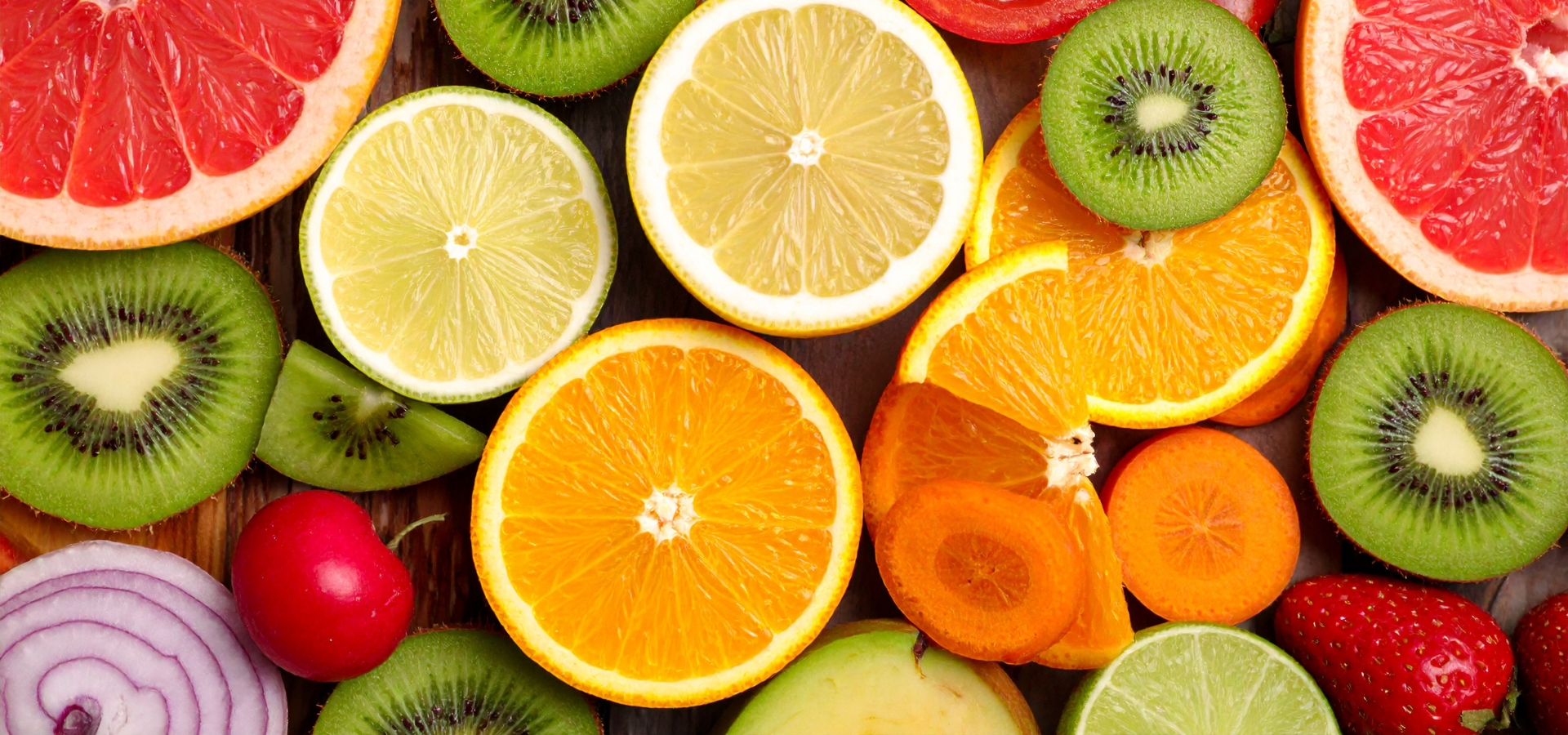
- Orange: Known for conveying value and warmth, orange also stimulates the appetite. It is often associated with affordability and friendliness. This colour is welcoming and encourages people to indulge, which is why it’s often used in promotions and fast-food advertising.
- Yellow: Yellow is linked to enthusiasm and youthfulness, but it can also create uneasiness. It draws attention and radiates positivity but should be used carefully in food settings because too much yellow can be overwhelming. In the right balance, it can convey warmth and optimism, making it a frequent choice in snack food packaging.
- Green: Green symbolises health, freshness, and nature. It is often associated with organic or healthy products, reflecting a connection to the earth. Green also suggests crunch, making it a popular choice for fresh and crisp foods like salads and vegetables. It speaks of sustainability and wellness, which makes it appealing in the health food industry.
- Blue: While blue is calming and trustworthy, it is also known to suppress appetite, making it a less common colour in food packaging. Blue can convey security and reliability, which is why it’s often used in non-food-related branding. However, in certain niches, such as seafood or diet foods, it can signify freshness and purity.
- Purple: Purple is associated with luxury and fruitiness. It conveys a sense of sophistication and indulgence, which is why it’s often used for premium products like chocolates, desserts, and beverages. Purple can also suggest exotic flavours and a high-end experience.
- Pink: Pink is tied to sweetness, femininity, and calmness. It is often used in products aimed at a female audience or in items that are meant to feel delicate or indulgent, such as pastries, candies, and soft drinks. Pink can create a sense of comfort and indulgence without being overpowering.
- Brown: Brown is linked to sweetness, earthiness, and dependability. It conveys a sense of naturalness and simplicity, making it ideal for products associated with warmth and tradition, like baked goods, coffee, and chocolate.
- Black: Black suggests class, simplicity, and luxury. It is often used in high-end or gourmet food products to signify sophistication and elegance. Black can make a product feel exclusive and premium, which is why it’s favoured in luxury packaging and minimalist designs.
- White: White represents neutrality, cleanliness, and clarity. It’s often used to convey purity and simplicity, which is why it’s popular in the packaging of dairy products and items promoting a clean, fresh image. White can also suggest health and hygiene, making it a go-to colour for products marketed as wholesome or unprocessed.
These colour associations are not random; they are based on psychological principles that marketers and designers use to evoke specific emotions and behaviours from consumers. By understanding these associations, companies can influence how their products are perceived and how likely they are to be chosen by consumers.
Touch
The tactile experience of eating – from the weight of food to the texture of cutlery – can significantly influence our perception of a meal. Eating with our hands or using heavier utensils creates a sense of connection and satisfaction with the food. The design of lighter, more disposable utensils (e.g., plastic forks or lightweight cafeteria cutlery) undermines this sense of connection, subtly affecting our eating habits. The sensory experience of touch also ties into the engineering of food textures – think of how the melting of a Malteser or the crunch of a Pringle is engineered to maximise enjoyment.
Smell
Smell is a powerful and direct link to memory and emotion. An integral part of our survival, ancestors sniffed out those foods that were safe to eat and those that were potentially toxic. Smell has the ability to create expectations or memories long before food touches our tongue. The food industry knows this well, with cafes and bakeries deliberately infusing the air with enticing aromas to lure customers in. Smells evoke emotional connections – think of how the aroma of coffee or fresh bread evokes comfort, warmth, and indulgence. Orthonasal (sniffing) and retronasal (aromas released when swallowing) smells greatly impact our perception of flavour.
Experiments where you block your nose when starting to eat and then unblock as you eat demonstrate how much of our "taste" experience is actually aroma-based, particularly those retronasal aromas that we are barely aware of. Consider the putrid orthonasal smell of a ripe cheese compared to the rich retronasal aroma experienced while eating the two are not the same.
Sound
Though often overlooked, sound is a subtle but significant part of our food experience. The crispness of food, whether from biting into a fresh apple or the crunch of a Pringle, is deeply linked to its perceived freshness and quality. The Pringles effect, where increasing the crunch sound by 15% makes them seem fresher, is a testament to how sound influences perception. Even the words used to describe food – "crisp," "snap," "crunchy" – carry auditory cues that shape expectations.
Taste
Despite being the most obvious sense tied to eating, taste is just one part of the whole sensory experience. Our taste buds detect five basic flavours – sweet, sour, salty, bitter, and umami – but much of what we perceive as taste is actually influenced by smell, sight, and texture. The way food is described also plays a significant role in how we experience it. Marketing terms and branding can significantly impact flavour perception. Wouldn’t you prefer to buy "Chilean seabass" over "Patagonian toothfish", even though they are the same fish?
Emotional connection
Food is deeply personal, intertwined with emotion, memory, and experience. A dish prepared by a loved one, or served with care and attention, can taste far better than the same dish prepared without that emotional connection. Personal experiences, like a mother’s homemade birthday cake, elevate the sensory experience beyond the food itself, intertwining flavour with memory and love.
The sensory journey
This journey through the senses reveals that eating is far more than just tasting. It is a multisensory experience, heavily influenced by factors like sight, touch, sound, and smell. Food scientists, marketers, and chefs alike manipulate these senses to enhance our enjoyment or alter our perception of food, often without us even realising it.
By understanding how our senses are influenced, we can start to see why we make certain food choices and how we can potentially change them, whether it’s through mindful eating or simply becoming more aware of how our brains process the information our senses provide.
The next time you sit down to eat, consider how each of your senses is involved. From the colour of the packaging to the weight of your cutlery, the sound of your food crunching, and the aroma of the dish before you, and the company that you keep, all these elements come together to shape not just your meal but the entire eating experience.
Education
Discover our accredited IgG Food Sensitivities Education Programme
A clear, achievable pathway to strengthening your knowledge and enhancing your clinical approach to IgG food sensitivity testing.